
Most Aussie adults spinning a reel or backing a first try-scorer reckon luck runs hotter some nights than others. From where I sit working with studios and operators across markets, I see probability treated like folklore more than maths. Walk any casino lobby, even a destination like https://ozwinbonus.org/, and the layout already hints at where the maths lives before you place a chip. This piece walks through that lobby so every spin, deal, and Aussie market feels less like guesswork.
Slots, RTP, and the Volatility Conversation
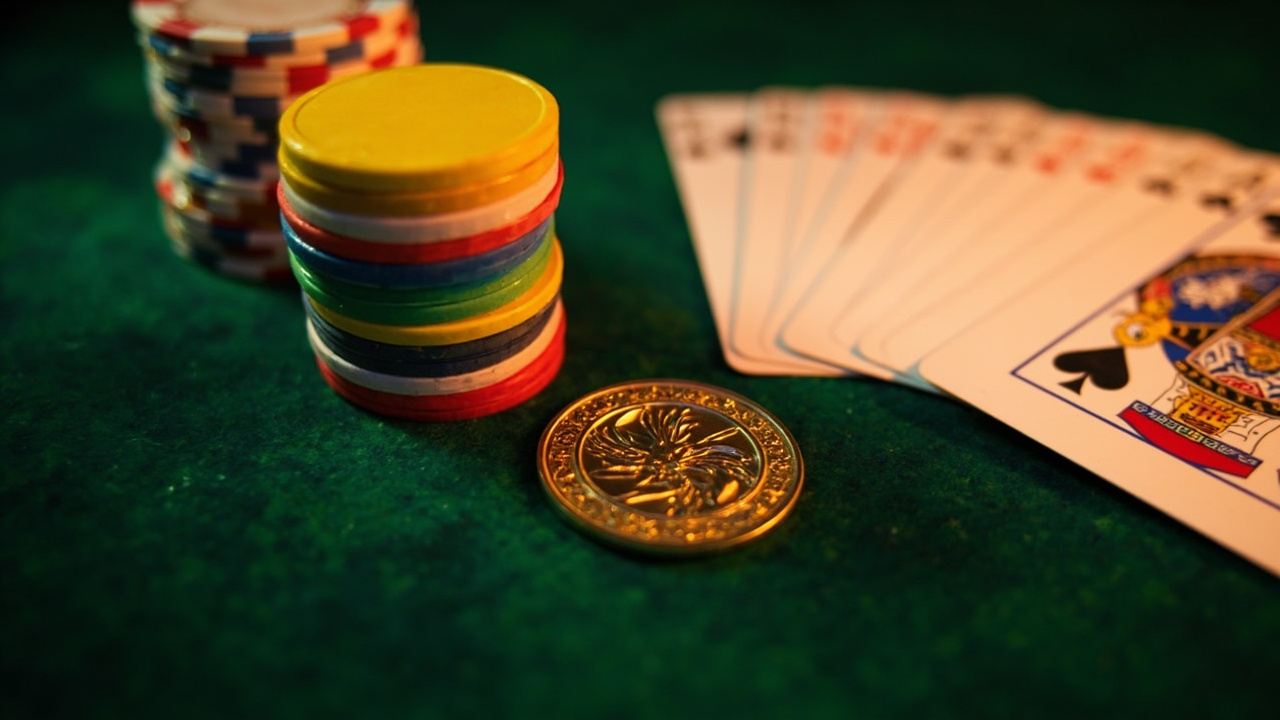
When you first hit a casino lobby, slots dominate the screen. Thumbnails crowd the page, sorted by provider or volatility. Each reel carries a published RTP – the share of wagered money returned across millions of spins. A 96% RTP means the house keeps roughly four cents per dollar over the long run, and the better lobbies flag this number next to the title. From a Massive Gaming distribution angle, I have watched studios like Pragmatic Play and Play’n GO fight to lift that figure by half a percentage point, because players in Western Sydney and Parramatta compare them openly online. One misconception worth flagging: a high RTP does not promise a winning session. Short-term variance on a five-reel slot is enormous, which is why the same title can drain a stack in one arvo and pay generously next morning. Volatility tags in the lobby – low, medium, high – give a sense of how bumpy the ride feels before you commit. Cluster paylines have rewritten the volatility conversation, and a careful read of video slot cluster pays shows how tumbling reels reshuffle the maths each spin.
Table Games, Live Dealer, and the Edge Up Close
Past the slot wall, most lobbies tuck table games into a quieter tab. Blackjack, baccarat, and roulette each publish house edges that are dramatically tighter than slots – often under one percent on a well-paid blackjack variant. This is where probability gets explained properly. Every card drawn shifts the odds by a calculable amount, which is why basic strategy charts exist and why Binion’s downtown once hosted the early World Series of Poker when advantage players turned a thin mathematical edge into legend. An all-in moment – pushing your last chips across the felt on a single hand – is the purest distillation of variance a player can choose. Even on a near-fair baccarat banker wager at 1.06% house edge, a single hand behaves like a weighted coin-toss with a small commission attached. Some operator partners I have helped launch across markets deliberately soften the all-in temptation by surfacing session timers next to the chip slider; I think that nudge is sensible, but analysts in responsible-gambling circles counter that adults should be free to choose their own stake without paternal prompts.
Sportsbook Markets and the Aussie Edge
For Australian adults, the sportsbook tab carries its own probability story. Markets like first try-scorer in NRL or first goal-kicker in A-League look like fun punts, but their implied probabilities are easily misread by anyone who skips the maths. A $5 payout on a $1 stake implies 20% chance of winning – yet the actual probability, after the bookmaker’s margin, might be closer to 15%. Multiply that gap across a multi and the edge compounds fast. A well-built lobby will show the overround on each market, allowing sharp players to spot value before kick-off. I have sat in Western Sydney pubs on a Saturday afternoon where one punter clocks a mispriced half-time line while the casual crowd treats the same tab like a slot pull. The maths does not change, but the framing does – one adult hunts edge, another chases a flutter, and the lobby serves both. Live in-play markets shift things further: as the scoreboard moves, implied odds on the next try-scorer or goal-kicker change by the second, and only those who grasp the original margin truly know what they buy.
Walking the Lobby in Five Practical Steps
Here’s how a typical player walks a casino lobby when probability is the lens rather than luck. The five steps below mirror what a curious adult does the first few times they open a new platform, from the home page right through to the search bar:
- Land on the home page and note how slots-heavy the layout feels – if reels dominate, expect the variance maths described earlier.
- Click into the table games tab and read the published house edge on each variant before placing a chip.
- Open the live dealer lobby and compare providers; stream quality and rule variations can swing the maths by tenths of a percent.
- Visit the sportsbook and check the overround on first try-scorer or first goal-kicker markets to feel the margin.
- Use the search bar to filter by RTP band, volatility, or provider – the best lobbies expose these toggles instead of burying them.
From a Massive Gaming standpoint, the best lobbies surface these filters up front rather than tucking them away. Once you have completed this walkthrough, every title, market, and bonus reads as a probability statement to weigh before staking.
A casino lobby is, at heart, a probability menu. The maths does not favour anyone who ignores it, and it does not punish anyone who enjoys the ride with a budget in mind. Read the RTPs, check the overround, and treat every all-in moment as a deliberate choice rather than a reflex. The lobby will keep evolving; your job is to keep counting.
